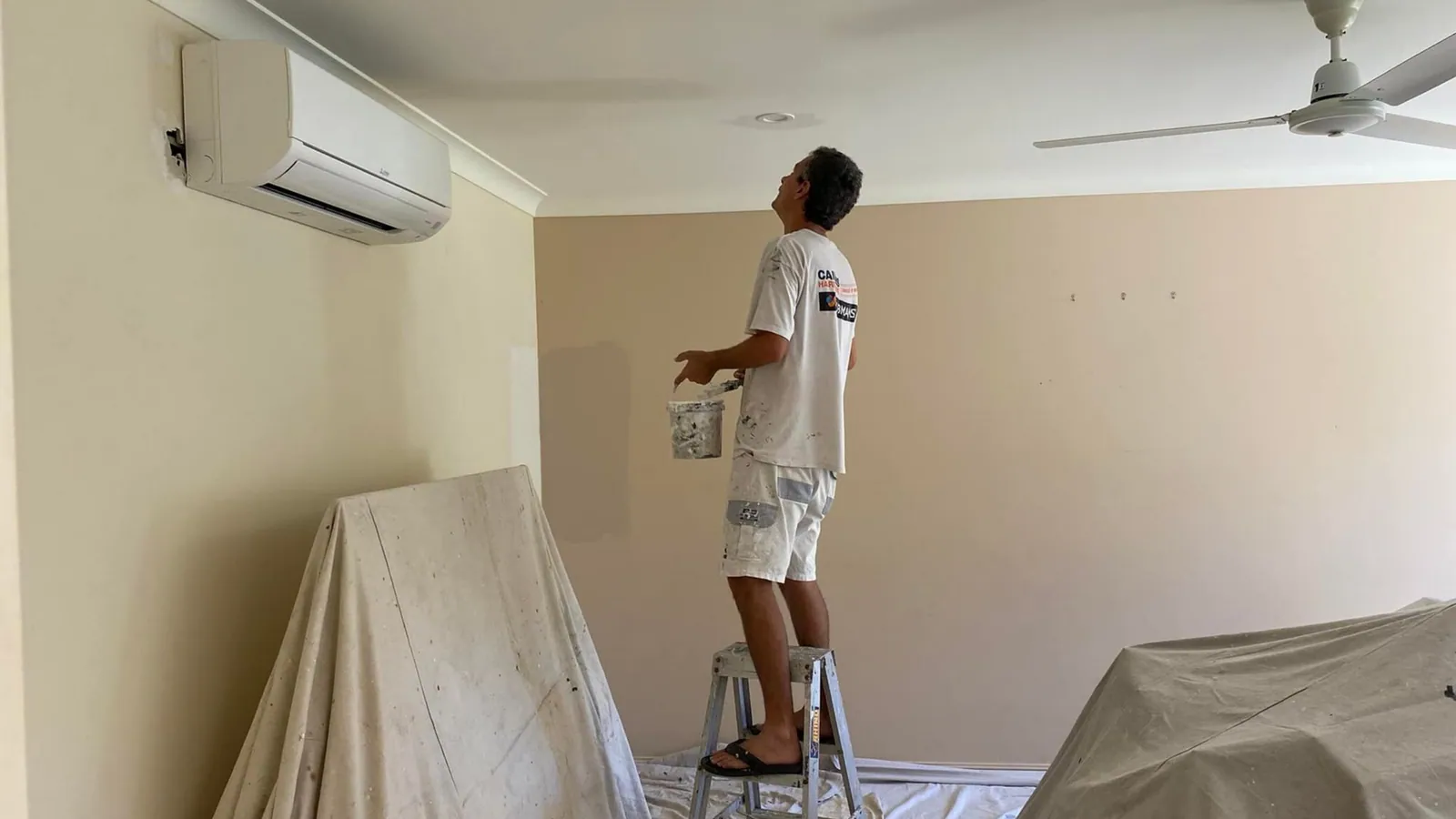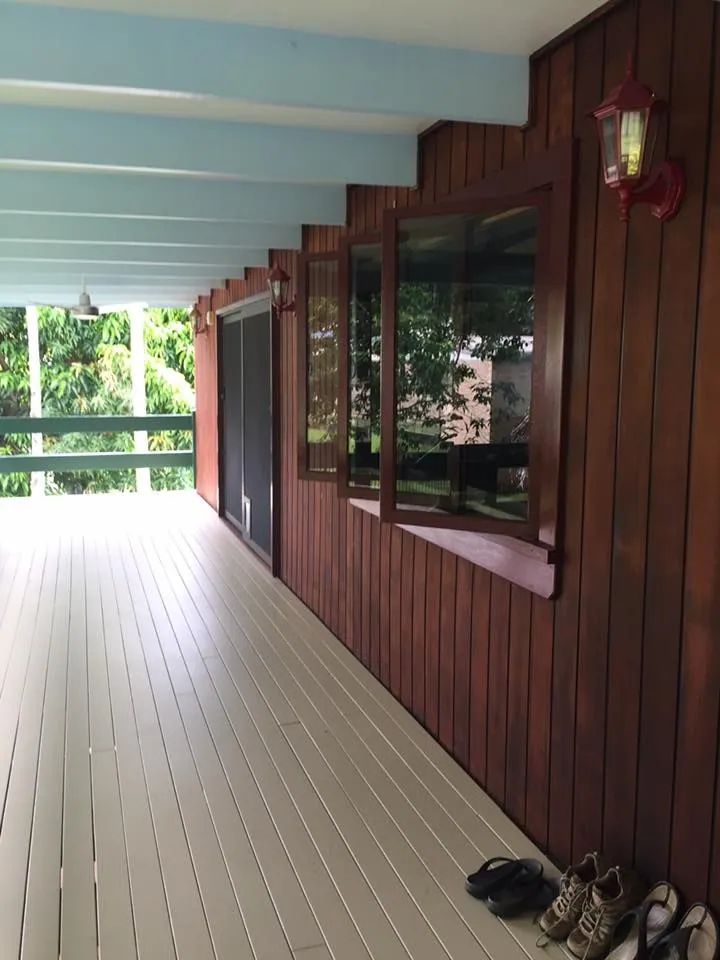
How To Choose The Right Painters For Your Home Renovation
Renovations usually start with a clear plan and a tidy list. Then reality kicks in. Timelines shift, decisions stack up and the “easy” jobs suddenly aren’t so easy. Painting often lands near the end, which makes it one of the most important steps. It’s the finish you live with every day. If you’re comparing painters in Cairns, a few practical checks can help you choose well and avoid the kind of mistakes that lead to touch-ups, patchy coverage or repainting sooner than you planned.
Understanding the Scope Before the First Quote Is Given
Quotes can vary for a simple reason: painters might be quoting different jobs. One might allow for patching and sanding, another might assume the walls are already smooth and a third might not include doors or trims. You’ll get better information and more comparable pricing when the scope is clear from the start. It also gives you a better feel for how organised the painter is.
Before painting work begins, it helps to clarify:
- Every surface to be painted, including ceilings, trims, doors and built-ins.
- Any surface issues, such as peeling paint, cracks, stains or dents.
- Access expectations, including furniture, pets and whether rooms will stay in use.
With those details locked in, quotes are less likely to hide assumptions and more likely to reflect the real job.
Preparation That Makes the Finish Look Better
Preparation is the difference between a paint job that looks smooth and one that highlights every flaw. Renovation surfaces often have old patchwork, small dents and uneven texture that fresh paint can make more obvious. A good painter will talk about prep in plain language and explain what they’ll do to get a consistent finish. It’s also where durability is decided.
This is the groundwork that matters most:
- Cleaning surfaces so paint bonds properly and doesn’t peel early.
- Sanding rough areas and dulling shiny patches so the finish levels out evenly.
- Filling dents, repairing cracks and priming patched sections to prevent flashing.
When prep is done properly, the topcoats look cleaner and hold up better in day-to-day life.
Licensing, Insurance & the Practical Side of Protection
No one hires a painter expecting problems, but renovations are busy sites. Ladders move, drop sheets shift and accidents can happen even with careful trades. Insurance and proper paperwork protect you if something goes wrong and they usually signal a more professional approach overall. It’s a simple check that can save a lot of stress.
Before you lock anything in, look for:
- Current public liability insurance and a willingness to show it.
- A legitimate business setup, including licences where applicable.
- A written quote that explains inclusions, exclusions and variations.
If a painter can provide this information easily, it’s usually a good sign you’re dealing with a professional operation.
Renovation Experience & Working Around Other Trades
Renovation painting isn’t just painting. It’s timing, sequencing and working around other people on site. Plastering might run late, cabinetry might go in early or flooring might change the order of rooms. Painters with renovation experience tend to anticipate these issues and communicate before they become problems. That makes your renovation easier to manage.
To keep the project moving and reduce friction, consider:
- Whether they’re comfortable coordinating around other trades and shifting timelines.
- How they’ll protect floors, benches, fixtures and newly installed items.
- What their plan is if parts of the home remain occupied during the work.
Good coordination reduces rework and helps the painting stage feel like progress, not another delay.
Paint Choices That Suit How You Actually Live
Colour is only one part of the decision. The finish and product choice affect how walls wear, how they clean and how they look under different lighting. A professional painter should be able to explain options in a way that’s practical and easy to understand, not overly technical. The goal is a result that stays looking good once the renovation dust settles.
Before you choose products, ask about:
- Finish levels that suit each area, especially high-traffic zones that mark easily.
- Moisture resistance for bathrooms, laundries and kitchens.
- Coverage expectations for deep colours and bright whites, including primers and extra coats.
The right products make the finish easier to maintain, especially in busy family areas.
Quotes That Are Easy to Compare & Hard to Misread
A quote should make the job clear. If it’s vague, it’s hard to know what you’re paying for and it’s easier for costs to shift later. Some quotes look cheaper because they assume less prep or fewer coats. That isn’t always wrong, but it needs to be spelled out so you can compare fairly.
Before accepting a quote, check:
- What preparation is included and what counts as additional repair work.
- Which materials are included, such as primers, sealers and specialty coatings.
- How many coats are allowed for and what happens if coverage demands more.
The more detail in the quote, the fewer surprises you tend to get once work is underway.
How to Spot Quality Without Falling for Sales Talk
Everyone can say they do “high-quality work”. What matters is evidence. Look for signs of care in the details, like straight cut-ins, smooth repaired areas and consistent sheen. Reviews can help too, especially when they mention communication and follow-through rather than just being “happy” with the job.
To judge quality before hiring, focus on:
- Recent photos that include close-ups of trims, corners and repaired areas.
- Reviews that mention cleanliness, punctuality and how issues were handled.
- A clear process for the final walkthrough, including touch-ups and clean-up.
When a painter is comfortable showing their work up close, it’s usually a good sign.
Timing, Access & a Quality Finish
Even the best painter can’t work well if the home isn’t ready. Crowded rooms slow everything down and poor ventilation can affect drying. A smooth painting stage comes from agreeing on timing and access early, then keeping things as consistent as a renovation allows. It also helps you plan daily life around the work.
Before the team arrives, sort out:
- What needs moving and what will be protected, including floors and fittings.
- Working hours, ventilation needs and when rooms can be used again.
- Handover expectations, including rubbish removal and final touch-ups.
When those details are clear, the painting stage feels like the final polish, not another disruption.
Next Steps for a Renovation-Ready Paint Job
Choosing painters is easier when you focus on what affects the result: clear scope, thorough preparation, suitable products, good communication and proof of past work. Those checks also reduce the chance of budget surprises and timeline stress. Once you know what to ask, the right choice tends to stand out.
If you’re looking for reliable painters in Cairns, Pete's Painting Solutions are here for you. We’ll talk through your renovation plans, help clarify what needs to be painted and explain what preparation will be involved so there are no surprises. We also take Cairns conditions seriously, including humidity and the way it can affect drying times and long-term durability. When you’re ready, reach out to book a consultation and we’ll help get your painting sorted.